
Climate Volatility Emerges as Structural Constraint on Maritime Supply Chains
Shifting environmental conditions are transitioning from intermittent voyage disruptions into permanent structural constraints for international trade routes.
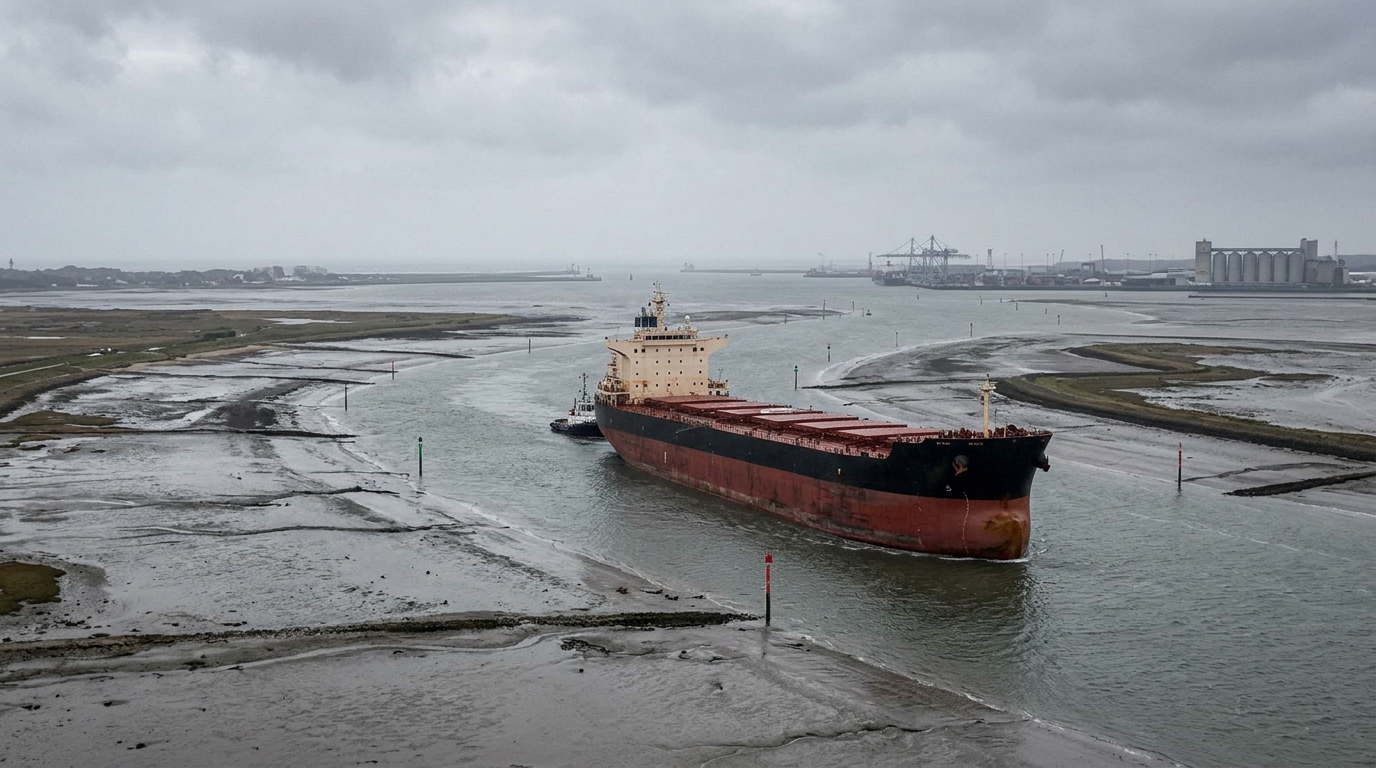
Global supply chain architecture is undergoing a fundamental shift as climatic conditions increasingly dictate commercial trade flows. Extreme weather patterns and changing environmental baselines are no longer functioning merely as isolated, short-term disruptions that commercial operators can routinely work around, but are instead solidifying into structural constraints across international trade corridors.
Historically, the maritime transportation sector and associated logistics networks approached adverse weather as localized, transient occurrences. Fleets and charterers mitigated delays through standard operational measures, including speed adjustments, dynamic weather routing, and tactical scheduling, assuming conditions would swiftly revert to seasonal norms.
However, persistent shifts in climatic conditions are challenging these conventional risk management assumptions. The growing unpredictability and severity of weather events are exposing long-overlooked fragilities within the global logistics framework, demonstrating that existing maritime infrastructure and trade routes were built on models of environmental stability that are becoming increasingly outdated.
As these atmospheric and hydrological shifts exert enduring pressure on strategic transport networks, maritime stakeholders are confronting the reality that weather-related bottlenecks are becoming a permanent fixture of commercial operations. Addressing these structural limitations will require supply chain operators to reassess long-term route reliability and operational resilience.
Source attribution
No external source recorded for this article.
This article is an original editorial summary. It does not reproduce the source text. See our AI & content policy.
Related coverage
Beijing instructs top domestic producers to intensify exploration and upstream investment as geopolitical risks threaten overseas crude supply continuity.
3h ago
The British government is deliberating whether to proceed with the £8.7 billion Rosebank development west of Shetland as Brent crude remains above $100 per barrel.
3h ago
Disrupted flows from Russia and the Middle East alongside firm bunker demand have pushed high-sulphur fuel oil prices above feedstock crude in Asia.
2d ago
Growing geopolitical divisions and complex sanctions regimes are dictating the viability, financing, and insurance of global commodity transactions, according to law firm HFW.
3d ago
Media Coverage: Bloomberg covered Alkagesta’s agreement to acquire Energy Petrol on 22 October 2026. Acquisition details below are reproduced from Alkagesta’s announcement.
Markets4d ago
Regulation & Environment8d ago