
IMO Net-Zero Framework Retains Key Structure Following Climate Negotiations
The International Maritime Organization's decarbonization architecture has largely held firm despite attempts by the United States and oil-producing nations to weaken the measures.
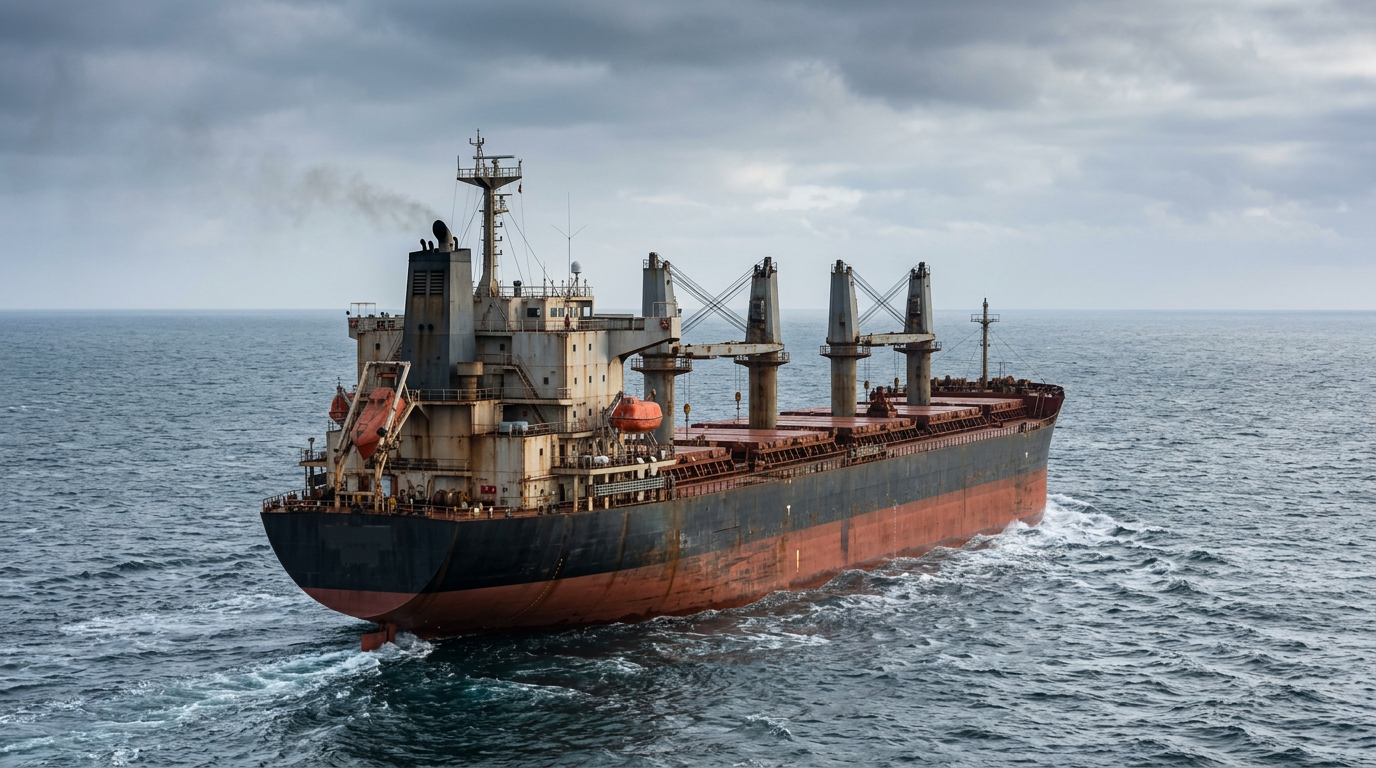
The International Maritime Organization's Net-Zero Framework has preserved its essential structure following the latest round of international climate discussions, withstanding concerted efforts by dissenting delegations to dilute its scope.
During the negotiating sessions, regulatory proposals faced pushback from several parties, notably including the United States alongside a contingent of major oil-producing countries. These nations sought to revise, weaken, or scale back key components of the emerging greenhouse gas reduction architecture.
Despite the diplomatic pressure to soften the policy direction, the core elements of the framework advanced through the talks largely intact. The resilience of the framework signals continued institutional commitment within the United Nations maritime body to pursue defined climate benchmarks for the international shipping sector.
For global fleet operators and maritime stakeholders, the outcome reinforces the regulatory trajectory toward mandatory emissions reduction targets. The ongoing policy negotiations will continue to define the specific technical and economic mechanisms required to implement the net-zero strategy across the international fleet.
Source attribution
No external source recorded for this article.
This article is an original editorial summary. It does not reproduce the source text. See our AI & content policy.
Related coverage
Beijing instructs top domestic producers to intensify exploration and upstream investment as geopolitical risks threaten overseas crude supply continuity.
3h ago
The British government is deliberating whether to proceed with the £8.7 billion Rosebank development west of Shetland as Brent crude remains above $100 per barrel.
3h ago
Disrupted flows from Russia and the Middle East alongside firm bunker demand have pushed high-sulphur fuel oil prices above feedstock crude in Asia.
2d ago
Growing geopolitical divisions and complex sanctions regimes are dictating the viability, financing, and insurance of global commodity transactions, according to law firm HFW.
3d ago
Media Coverage: Bloomberg covered Alkagesta’s agreement to acquire Energy Petrol on 22 October 2026. Acquisition details below are reproduced from Alkagesta’s announcement.
Markets4d ago
Regulation & Environment8d ago