
ABS Highlights Shift to Execution and Capital Allocation in Maritime Decarbonisation
Classification society ABS outlines the operational and financial challenges facing shipowners as the industry transitions from evaluating future fuels to practical emissions management.
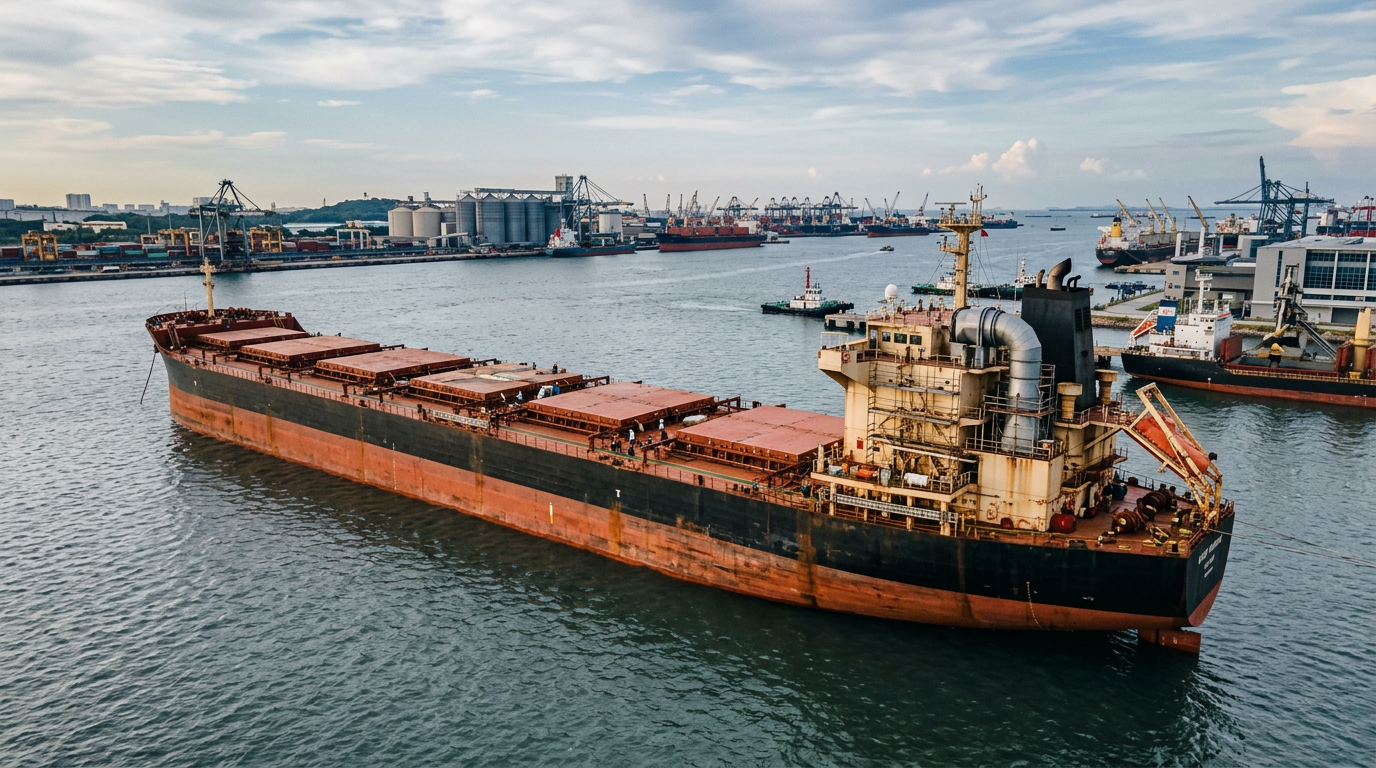
The maritime sector's decarbonisation agenda is pivoting from theoretical projections over future fuels toward practical implementation, according to classification society ABS. In its 2026 Sustainability Outlook, titled "Decision Point: Practical Pathways to 2035," the organisation identifies capital deployment and operational execution as the defining hurdles currently confronting vessel owners.
As regulatory frameworks become increasingly fragmented across jurisdictions and carbon pricing mechanisms begin to take effect, shipowners must balance long-term asset value preservation against immediate compliance mandates. The analytical focus is shifting away from the pursuit of a single dominant alternative fuel to encompass broader operational and investment decisions.
Rising carbon costs are compounding the pressure on fleet operators to manage expenditure prudently while navigating evolving environmental standards. ABS notes that protecting vessel valuations through this transitional phase will require disciplined capital allocation strategies rather than reliance on prospective technological breakthroughs.
The outlook underscores that the coming decade through 2035 will necessitate decisive action from maritime stakeholders. Owners are urged to focus on tangible measures to mitigate emissions footprints while maintaining commercial viability in a tightening regulatory climate.
Source attribution
No external source recorded for this article.
This article is an original editorial summary. It does not reproduce the source text. See our AI & content policy.
Related coverage
Regulation & Environment2h ago
American industry relies almost entirely on foreign sourcing as domestic manufacturing covers less than one percent of annual rare earth magnet demand.
4h ago
Alkagesta had traded into Singapore since 2020, mostly through cargo arbitrage. In 2025, the company turned that flow into a permanent presence, establishing Alkagesta Asia Pte Ltd as a regional hub for physical marine fuels.
5d ago· Elena Marchetti
The Baltic Exchange's composite freight gauge fell 1.8% to hit its lowest level since late August, weighed down by sharper losses in the Capesize segment.
5d ago
Taiwanese dry bulk owner U-Ming Marine Transport has expanded its newbuilding pipeline with an order for four 64,000 dwt bulkers at New Dayang.
5d ago
Alkagesta has expanded its regional marine fuel capabilities by completing its first truck-to-vessel supply operation at the Romanian port of Constanța.
8d ago