Autonomous Shipping Signals Transition to Shore-Enabled Operations Over Total Crew Elimination
The shift toward autonomous vessels represents a redistribution of operational control to land-based personnel rather than an absence of human oversight.
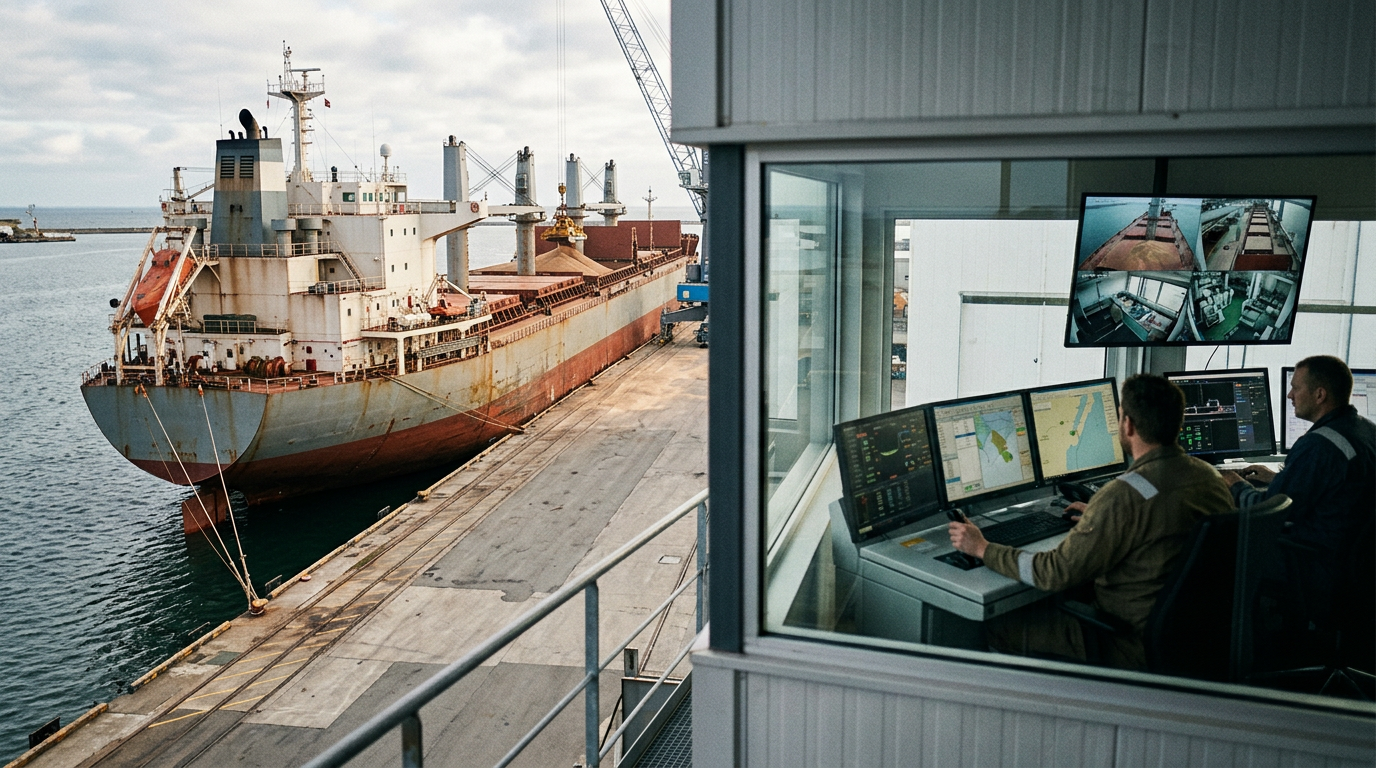
The maritime sector's ongoing integration of autonomous technologies is frequently mischaracterized as the outright removal of human labor from vessel operations. Rather than simply replacing personnel with automated systems, the adoption of autonomous capabilities is driving a fundamental shift from vessel-centered management to shore-enabled operational frameworks.
Under this emerging operational model, the presence of human decision-makers remains a critical component of maritime logistics. While physical crew complements aboard vessels may be reduced or eliminated in specific operational profiles, control is redistributed across terrestrial monitoring stations and specialized shore-side operations centers.
Industry perspectives emphasize that uncrewed vessel architecture does not equate to unattended operations. Instead, the roles, physical working locations, and daily responsibilities of maritime personnel are evolving to support remote oversight, strategic intervention, and continuous monitoring from shore.
As autonomous technologies continue to mature across the commercial fleet, the operational dynamic between automated marine assets and land-based support teams is redefining fleet management structures, keeping human expertise central to maritime safety and efficiency.
Source attribution
No external source recorded for this article.
This article is an original editorial summary. It does not reproduce the source text. See our AI & content policy.
Related coverage
Regulation & Environment2h ago
American industry relies almost entirely on foreign sourcing as domestic manufacturing covers less than one percent of annual rare earth magnet demand.
4h ago
Alkagesta had traded into Singapore since 2020, mostly through cargo arbitrage. In 2025, the company turned that flow into a permanent presence, establishing Alkagesta Asia Pte Ltd as a regional hub for physical marine fuels.
5d ago· Elena Marchetti
The Baltic Exchange's composite freight gauge fell 1.8% to hit its lowest level since late August, weighed down by sharper losses in the Capesize segment.
5d ago
Taiwanese dry bulk owner U-Ming Marine Transport has expanded its newbuilding pipeline with an order for four 64,000 dwt bulkers at New Dayang.
5d ago
Alkagesta has expanded its regional marine fuel capabilities by completing its first truck-to-vessel supply operation at the Romanian port of Constanța.
8d ago