Bunker Fuel Deficit Deepens as Refiners Shift Focus to Diesel Output
Global marine fuel supplies face significant tightening this quarter as refineries prioritize middle distillates amid geopolitical disruptions.
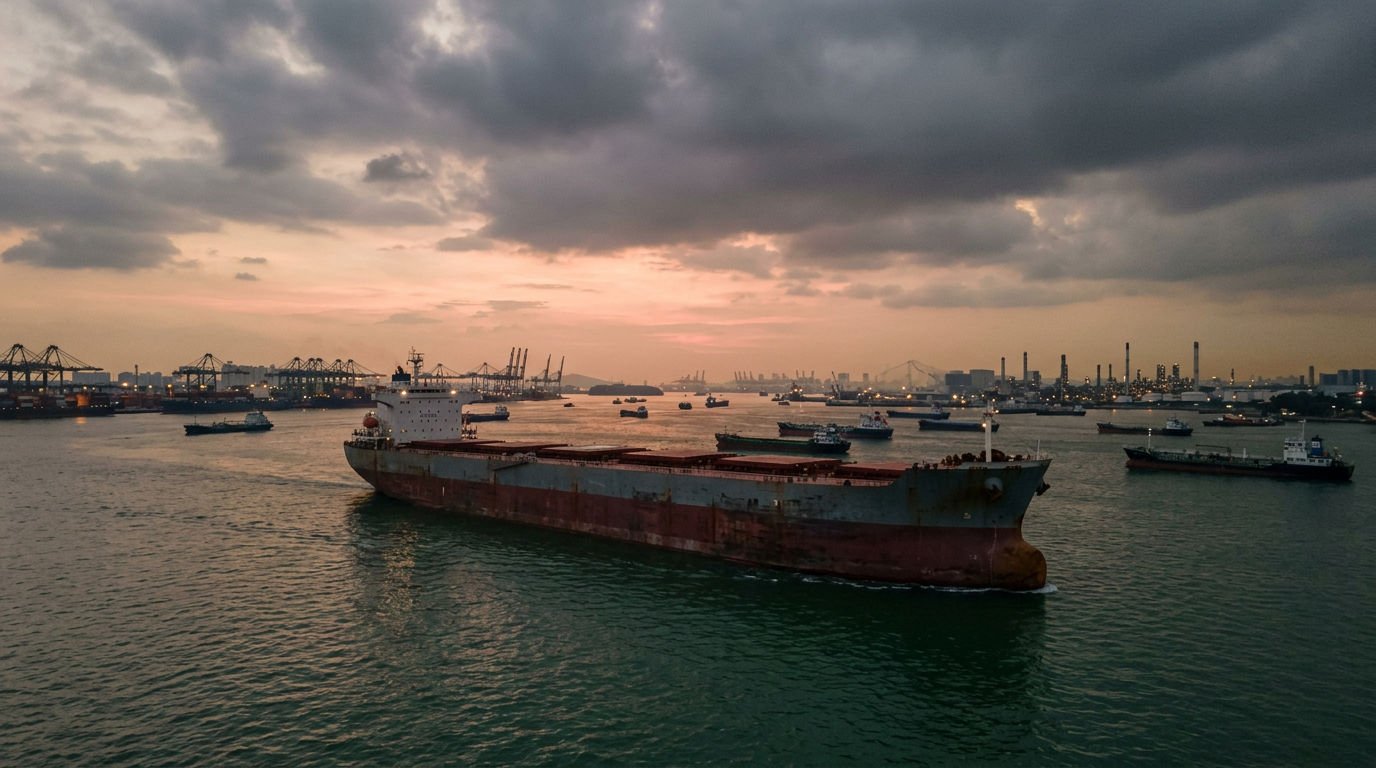
The global shipping sector is encountering a supply squeeze in bunker fuel as refiners increasingly prioritize diesel production. Tightness in middle distillate markets, exacerbated by ongoing war-related disruptions, has led processing facilities to tilt output away from residual marine fuels in favor of higher-yielding diesel products.
Market analysis from consultancy Energy Aspects indicates that the marine fuel deficit is expected to reach 218,000 barrels per day during the current quarter. This marks the market's first quarterly shortfall since 2025, when a much smaller deficit of 6,000 barrels per day was recorded.
Asian bunkering centers are projected to experience the most pronounced impact from the tightening supply. As refiners adjust their crude intake and yield slates to capture diesel margins, the availability of fuel oil in key regional maritime hubs is coming under heightened strain.
The ongoing reallocation of refinery processing streams highlights the broader vulnerability of vessel operational supply chains to volatility in upstream refined product markets, leaving ship operators to navigate reduced prompt bunker availability.
Source attribution
No external source recorded for this article.
This article is an original editorial summary. It does not reproduce the source text. See our AI & content policy.
Related coverage
Alkagesta had traded into Singapore since 2020, mostly through cargo arbitrage. In 2025, the company turned that flow into a permanent presence, establishing Alkagesta Asia Pte Ltd as a regional hub for physical marine fuels.
5d ago· Elena Marchetti
Taiwanese dry bulk owner U-Ming Marine Transport has expanded its newbuilding pipeline with an order for four 64,000 dwt bulkers at New Dayang.
5d ago
Hong Kong is altering its port development framework under its upcoming 2026–2030 blueprint, shifting focus away from volume growth toward high-value logistics and maritime services.
28d ago
HD Hyundai Samho and ClassNK have entered into an agreement to jointly design an LNG carrier aligned with upcoming amendments to the IGC Code.
32d ago
Evergreen Marine has expanded its smart cold chain operations with approximately 58,000 refrigerated containers fitted with IoT tracking technology.
41d ago
Tokyo prepares more than 1.8 trillion won in state subsidies for major domestic shipbuilders facing fierce regional competition from China and South Korea.
41d ago