
Bunker Volatility Drives Up Freight Rates for LNG-Fueled Tankers
Fluctuating marine fuel costs widened the freight rate gap between LNG-powered dirty tankers and conventional tonnage in early September.
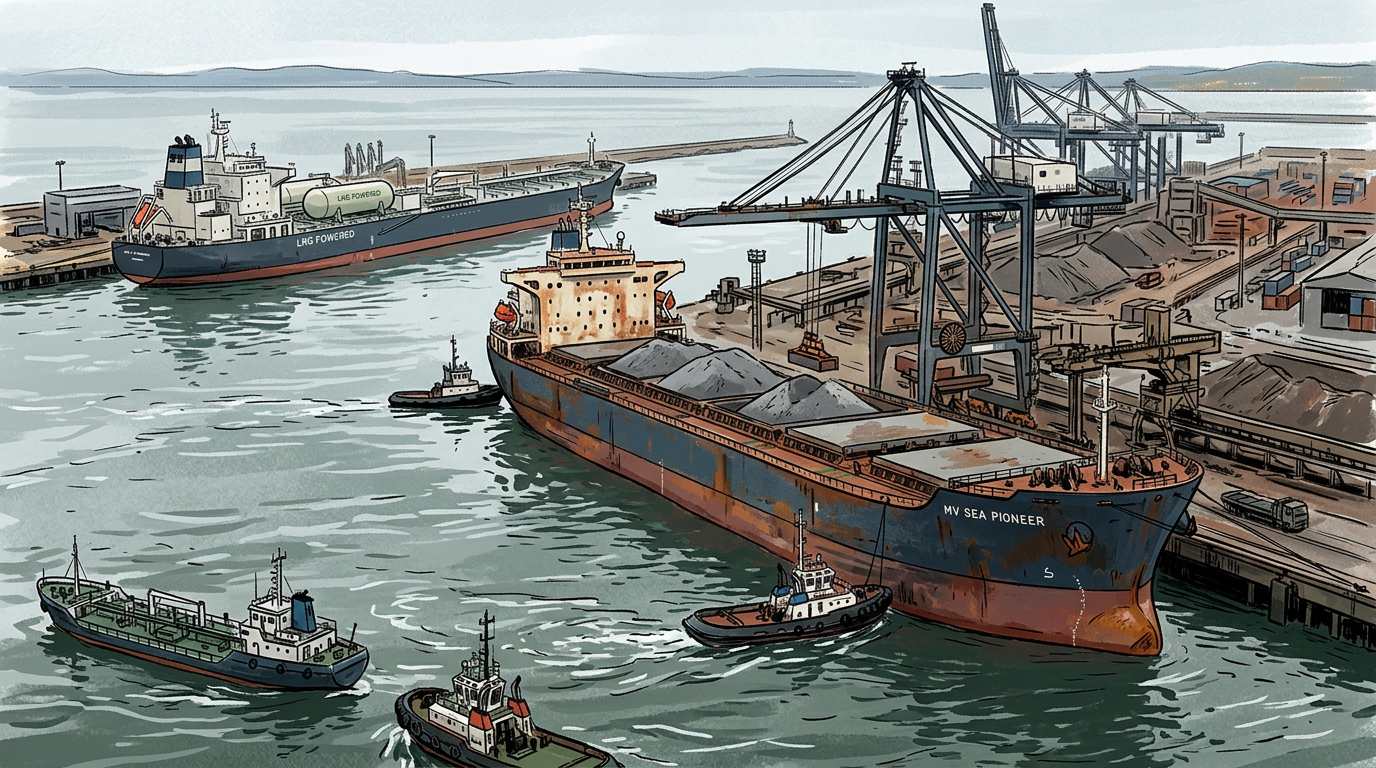
Fluctuations in marine fuel pricing served as the primary catalyst behind rising freight rates for LNG-powered dirty tankers relative to conventionally fueled counterparts during the Aug. 31 to Sept. 4 assessment period across major benchmark routes.
The price shifts underscore how alternative fuel economics are actively influencing voyage cost calculations in the wet bulk sector. As conventional marine fuel markets faced instability, changing price relationships directly impacted overall transportation expenses for crude and dirty petroleum product carriers utilizing liquefied natural gas propulsion.
Assessments from Platts Base Rates for LNG-fueled tankers, which evaluate these freight figures in dollars per metric ton, highlighted the changing cost environment. These metrics serve as a reference point for tracking how underlying LNG bunker economics shape voyage outlays when compared against standard tanker chartering benchmarks.
The divergence between LNG-powered and conventional vessel earnings across the early September window demonstrates the growing sensitivity of freight markets to bunker volatility as alternative marine fuels gain greater market presence.
Source attribution
No external source recorded for this article.
This article is an original editorial summary. It does not reproduce the source text. See our AI & content policy.
Related coverage
Regulation & Environment2h ago
American industry relies almost entirely on foreign sourcing as domestic manufacturing covers less than one percent of annual rare earth magnet demand.
4h ago
Alkagesta had traded into Singapore since 2020, mostly through cargo arbitrage. In 2025, the company turned that flow into a permanent presence, establishing Alkagesta Asia Pte Ltd as a regional hub for physical marine fuels.
5d ago· Elena Marchetti
The Baltic Exchange's composite freight gauge fell 1.8% to hit its lowest level since late August, weighed down by sharper losses in the Capesize segment.
5d ago
Taiwanese dry bulk owner U-Ming Marine Transport has expanded its newbuilding pipeline with an order for four 64,000 dwt bulkers at New Dayang.
5d ago
Alkagesta has expanded its regional marine fuel capabilities by completing its first truck-to-vessel supply operation at the Romanian port of Constanța.
8d ago