
Caspian Logistics Shift Challenges Traditional Routing Priorities
Emerging transport projects across the Caspian corridor are prompting the maritime industry to balance route resilience against purely cost-driven operations.
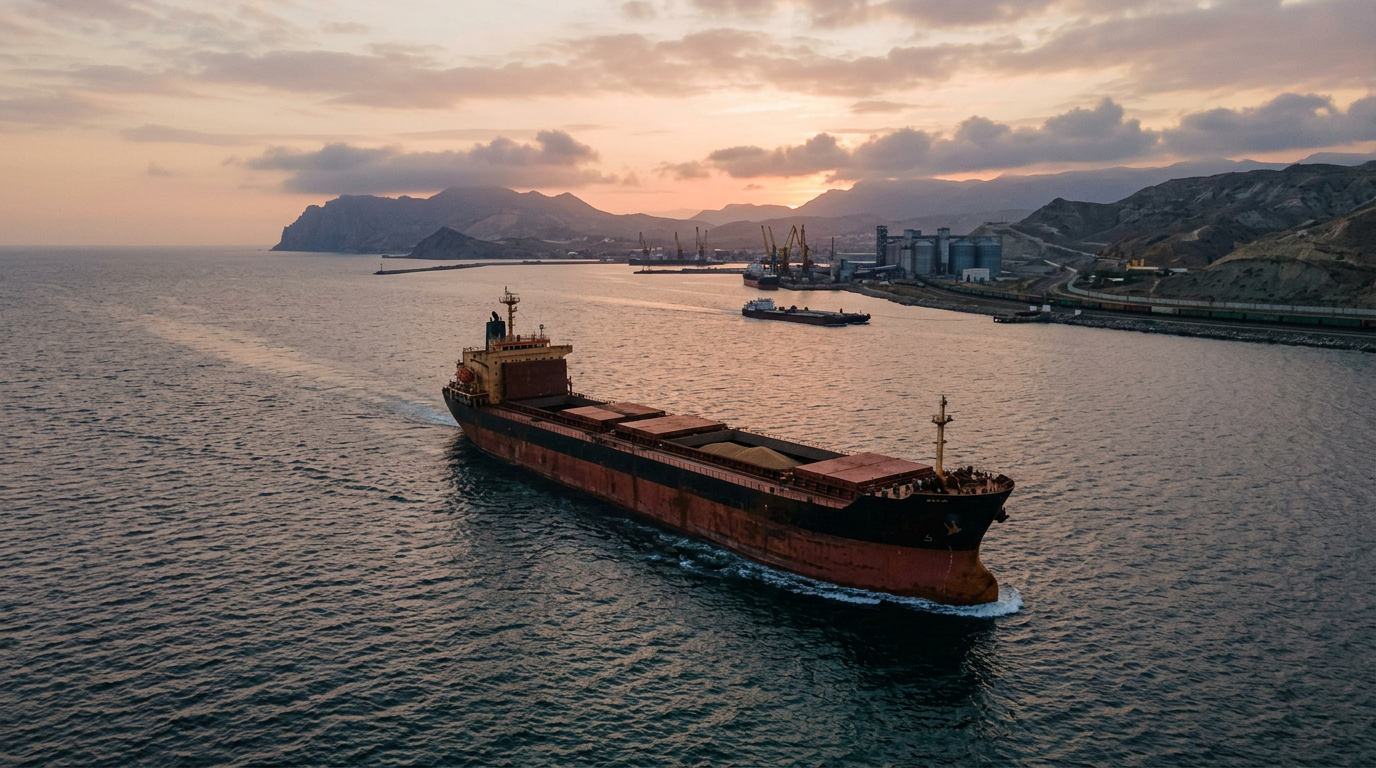
Global freight networks are undergoing a strategic reassessment as emerging transit developments across the Caspian region challenge long-standing assumptions about commercial routing. For years, maritime transport strategies have centered on securing the lowest-cost paths, yet recent infrastructure initiatives in the region demonstrate that cost is no longer the sole determining factor in route selection.
Alternative corridors developing around the Caspian are illustrating the growing premium placed on network adaptability and risk mitigation. Commercial operators and cargo owners are increasingly recognizing that the cheapest freight pathway does not automatically represent the most reliable or effective logistical choice.
This trend aligns with a broader structural evolution across international supply chains, where the risk of disruption has prompted a search for viable overland and regional waterborne alternatives. Even routes requiring multimodal coordination or navigating geographic limitations are gaining traction as shippers seek to insulate their networks against single-corridor vulnerabilities.
As new logistics developments continue to reshape transit patterns in and around the Caspian, the shipping sector is expected to maintain a stronger focus on strategic diversification. The ongoing realignment indicates that future freight planning will increasingly weigh reliability and strategic positioning alongside straightforward transport expenditures.
Source attribution
No external source recorded for this article.
This article is an original editorial summary. It does not reproduce the source text. See our AI & content policy.