
Escalating Bunker Prices Prompt Shipowners to Prioritize Fuel Conservation Measures
Higher marine fuel expenses across global bunkering hubs are placing efficiency initiatives and fuel-saving practices back at the center of fleet operations.
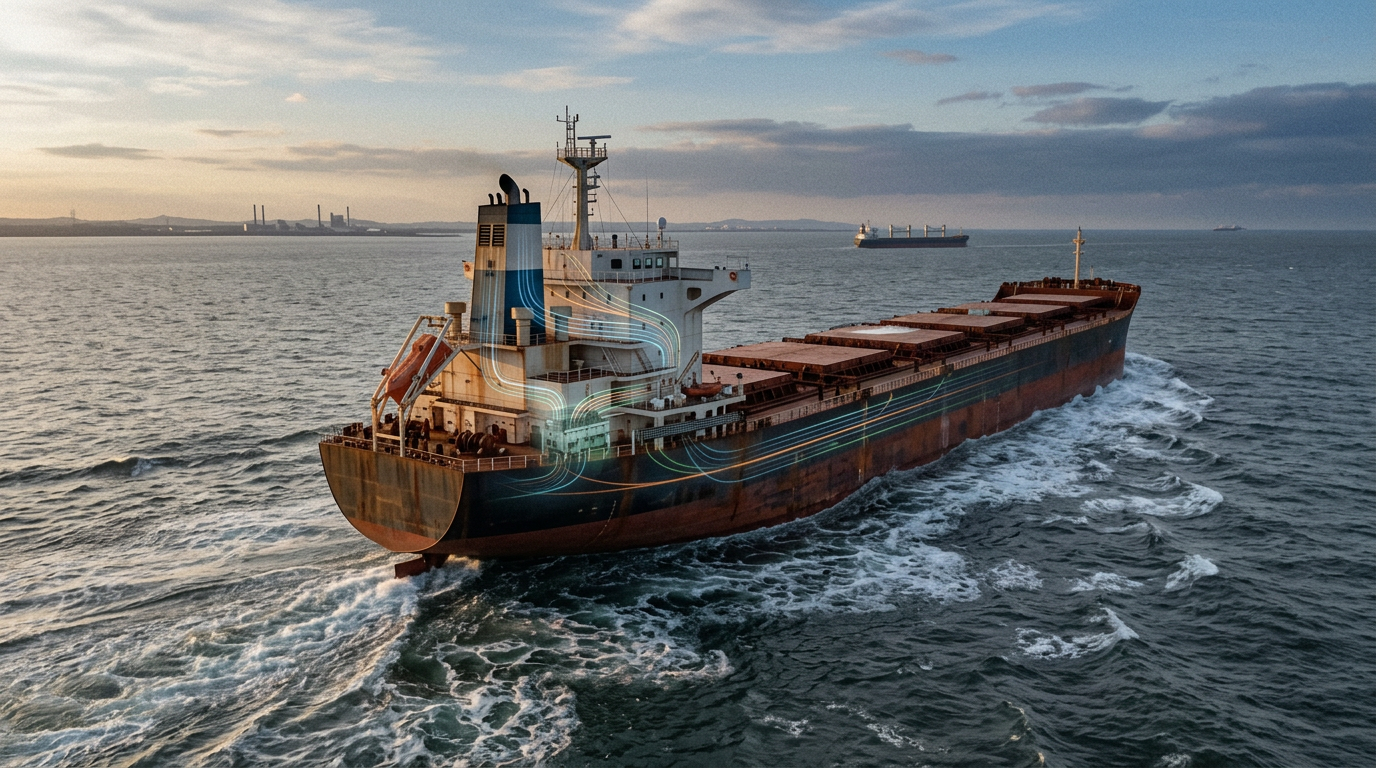
Rising bunker fuel expenditures are pushing maritime operators to place a heightened operational focus on fuel economy and consumption management. With marine fuel representing one of the largest single voyage costs in commercial shipping, price increases immediately impact operating margins across ocean freight segments.
In response to cost pressures, shipping companies are intensifying scrutiny over everyday propulsion efficiency and vessel voyage management. Operators are reviewing voyage planning protocols, speed management, and routine operational adjustments to curb total metric tonnage burned during transit.
Technical approaches to reducing fuel consumption are also receiving greater attention from technical managers. Fleet teams are evaluating maintenance standards, hull performance, and machinery optimization to ensure ships operate at peak hydrodynamic and mechanical efficiency under prevailing market conditions.
As bunker prices fluctuate, the commercial imperative to lower bunker burn remains a central consideration for shipowners navigating current freight markets. The ability to manage fuel consumption effectively continues to serve as a critical lever in protecting voyage earnings across maritime trade routes.
Source attribution
No external source recorded for this article.
This article is an original editorial summary. It does not reproduce the source text. See our AI & content policy.
Related coverage
Regulation & Environment2h ago
American industry relies almost entirely on foreign sourcing as domestic manufacturing covers less than one percent of annual rare earth magnet demand.
4h ago
Alkagesta had traded into Singapore since 2020, mostly through cargo arbitrage. In 2025, the company turned that flow into a permanent presence, establishing Alkagesta Asia Pte Ltd as a regional hub for physical marine fuels.
5d ago· Elena Marchetti
The Baltic Exchange's composite freight gauge fell 1.8% to hit its lowest level since late August, weighed down by sharper losses in the Capesize segment.
5d ago
Taiwanese dry bulk owner U-Ming Marine Transport has expanded its newbuilding pipeline with an order for four 64,000 dwt bulkers at New Dayang.
5d ago
Alkagesta has expanded its regional marine fuel capabilities by completing its first truck-to-vessel supply operation at the Romanian port of Constanța.
8d ago