
Geopolitical Factors Drive Disconnect Between VLCC Freight and Underlying Demand
Softening August tonne-mile demand and an expanding ballast fleet have produced an uneven freight rate response, particularly in the Middle East Gulf.
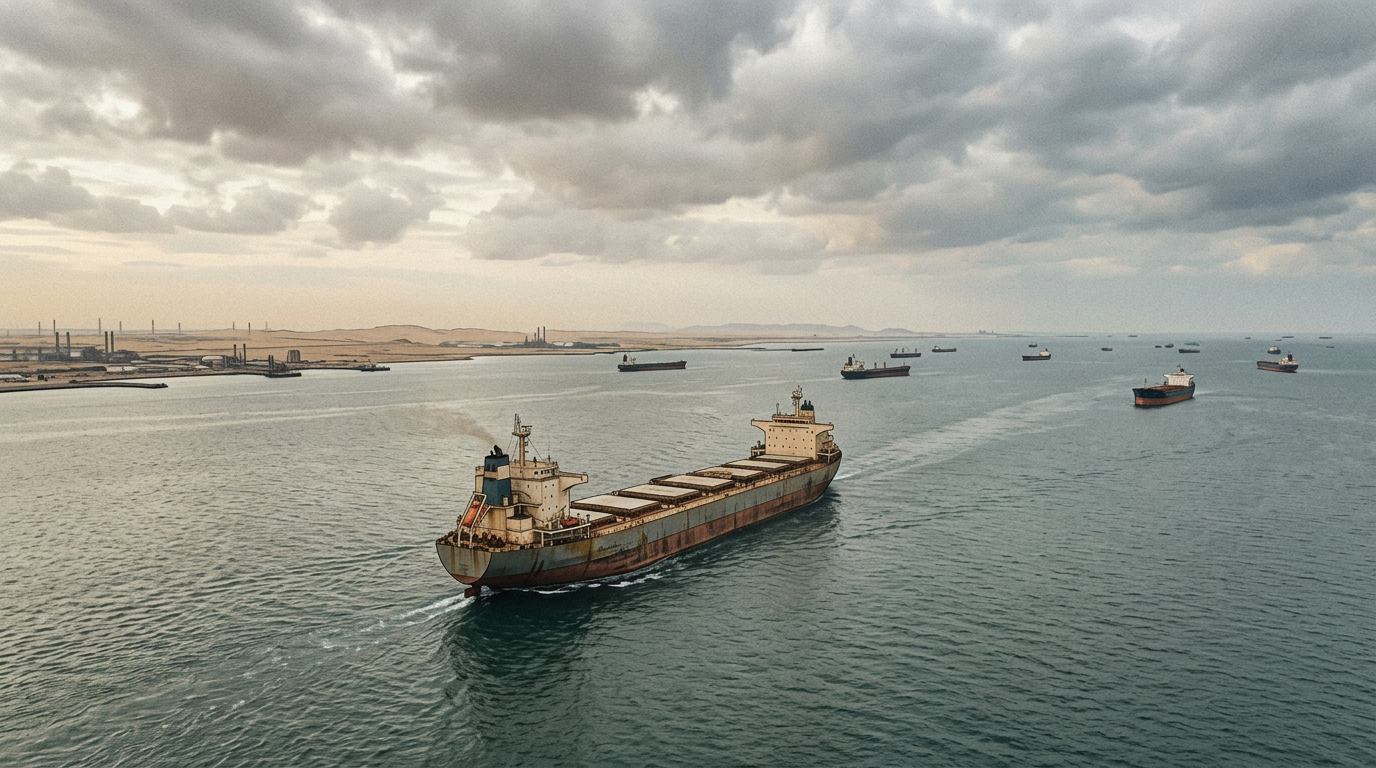
Fundamentals across the very large crude carrier segment have softened relative to the tighter market balance recorded earlier in the year. Demand measured in active tonne-miles for the large tanker sector contracted through August.
In tandem with falling tonne-mile demand, the volume of ballast tonnage expanded. This accumulation of unladen capacity developed as an increasing number of vessels concluded their laden voyages and entered the market for fresh fixtures.
Despite the clear increase in potential vessel supply, freight markets have not reacted in a uniform manner. The standard market downward adjustments typically prompted by surplus fleet capacity have remained fragmented.
This division between physical supply-demand fundamentals and freight rate performance has proved most noticeable in the Middle East Gulf, where geopolitical risk has driven a notable market disconnect.
Source attribution
No external source recorded for this article.
This article is an original editorial summary. It does not reproduce the source text. See our AI & content policy.