
Japan, South Korea, and US Strengthen Nuclear Power Ties Amid Energy Security Push
Northeast Asia's major economies are accelerating nuclear power expansion in collaboration with the United States to counter fossil fuel supply risks and meet rising power demand.
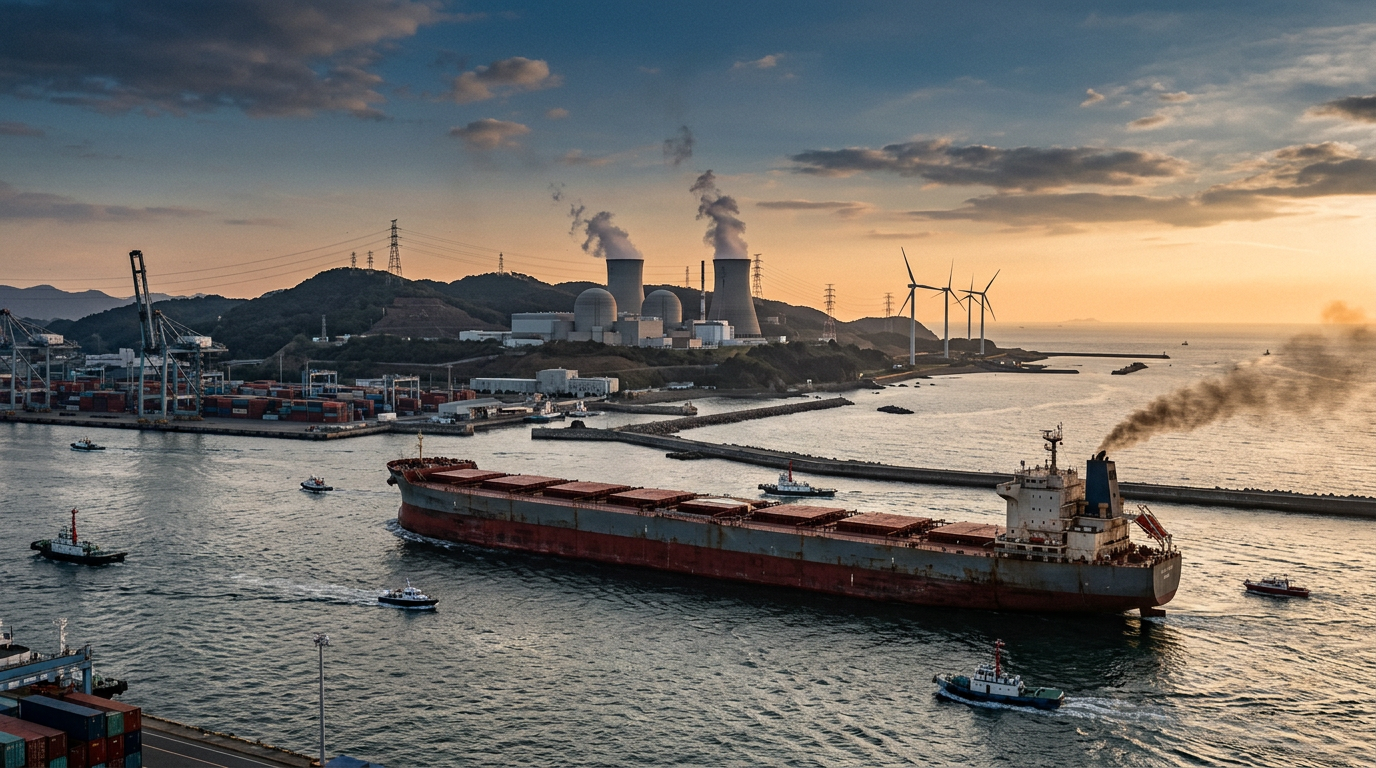
Japan and South Korea are accelerating their nuclear energy programs, integrating the clean baseload power source more deeply into their long-term national energy security frameworks. This regional resurgence in Northeast Asia reflects a broader policy shift as both nations work to expand their atomic power capacity.
In addition to domestic expansion, the two major industrial economies are recalibrating their international partnerships. Tokyo and Seoul are aligning their nuclear energy strategies through closer trilateral cooperation with the United States, altering the geopolitical landscape surrounding nuclear project development and supply chains.
The push for expanded nuclear capacity is being driven in part by substantial growth in electricity demand tied to the expansion of artificial intelligence. Regional authorities are pursuing all-encompassing power generation strategies to accommodate these escalating load requirements while maintaining clean energy objectives.
Escalating geopolitical instability and conflict involving Iran have also added urgency to reducing vulnerabilities in cross-border fossil fuel supply networks. By prioritizing domestic nuclear power generation in partnership with Washington, Japan and South Korea aim to insulate their industrial bases from disruptions across global fuel trade routes.
Source attribution
No external source recorded for this article.
This article is an original editorial summary. It does not reproduce the source text. See our AI & content policy.