Regulation Urged to Address Green Fuel Cost Disparity as Dual-Fuel Fleet Expands
While dual-fuel tonnage mitigates immediate fuel availability concerns, sector analysts emphasize that regulatory measures remain essential to bridge the price differential with conventional bunkers.
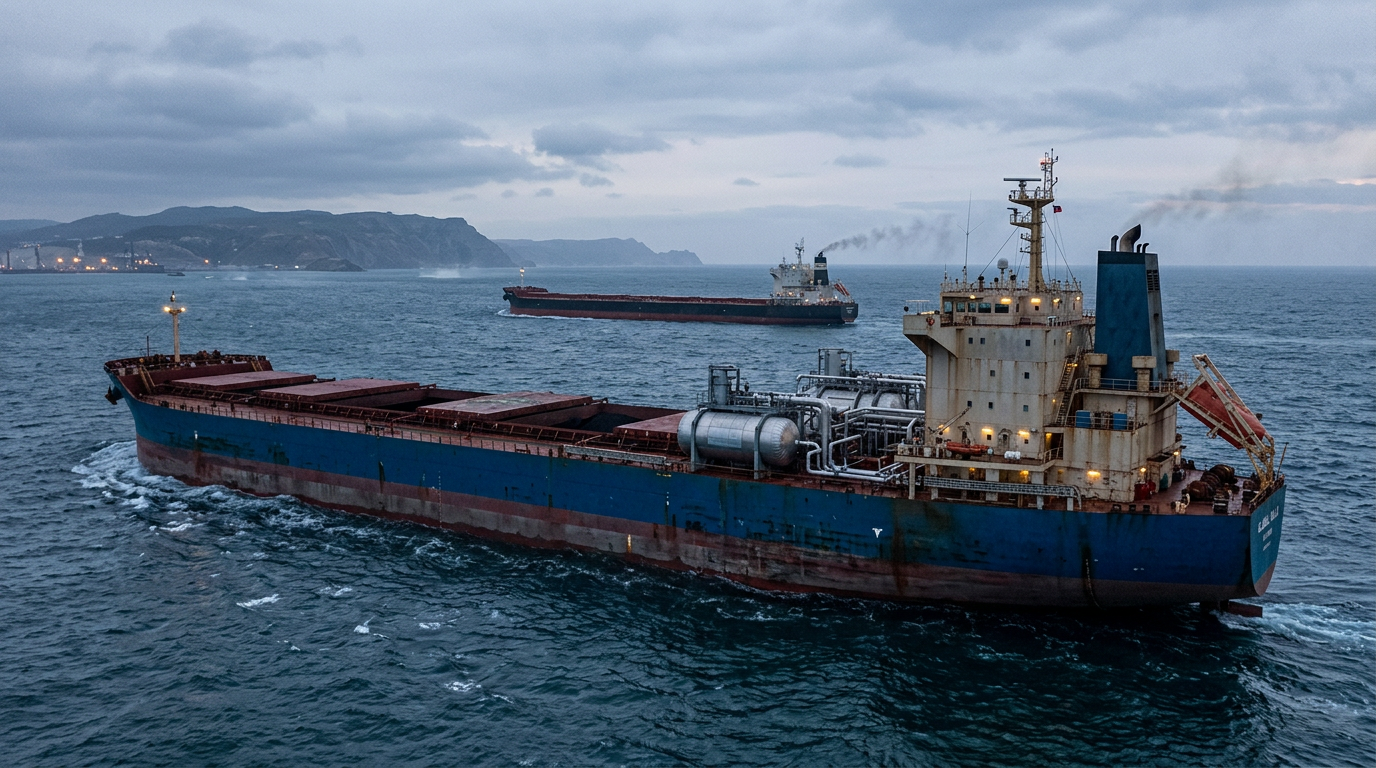
The increasing uptake of dual-fuel propulsion systems across the commercial shipping fleet is helping operators manage supply uncertainties surrounding alternative marine fuels. By retaining the capability to burn conventional marine fuels alongside lower-emission alternatives, dual-fuel tonnage offers immediate operational flexibility while bunkering infrastructure matures.
However, industry analysts emphasize that dual-fuel capability resolves only a portion of the maritime decarbonisation challenge. Even as engine technology and regional supply avenues progress, alternative fuels continue to trade at a substantial price premium compared to standard fossil fuels.
Maritime specialists note that technical readiness alone will not guarantee the voluntary adoption of higher-cost green fuels during standard operations. Without regulatory mechanisms to bridge the economic gap, shipowners and charterers face commercial hurdles when opting to run vessels on cleaner energy sources.
As a result, attention is increasingly turning toward international regulatory frameworks and economic measures. Sector experts maintain that targeted policy intervention is necessary to level fuel economics, ensure market parity, and incentivize the long-term uptake of green fuels across the global fleet.
Source attribution
No external source recorded for this article.
This article is an original editorial summary. It does not reproduce the source text. See our AI & content policy.
Related coverage
Regulation & Environment2h ago
American industry relies almost entirely on foreign sourcing as domestic manufacturing covers less than one percent of annual rare earth magnet demand.
4h ago
Alkagesta had traded into Singapore since 2020, mostly through cargo arbitrage. In 2025, the company turned that flow into a permanent presence, establishing Alkagesta Asia Pte Ltd as a regional hub for physical marine fuels.
5d ago· Elena Marchetti
The Baltic Exchange's composite freight gauge fell 1.8% to hit its lowest level since late August, weighed down by sharper losses in the Capesize segment.
5d ago
Taiwanese dry bulk owner U-Ming Marine Transport has expanded its newbuilding pipeline with an order for four 64,000 dwt bulkers at New Dayang.
5d ago
Alkagesta has expanded its regional marine fuel capabilities by completing its first truck-to-vessel supply operation at the Romanian port of Constanța.
8d ago