Shipowners Face Mounting Pressure as High Bunker Costs Meet Degrading Fuel Quality
Global vessel operators are navigating heightened commercial and technical risks as elevated bunker prices coincide with reports of declining marine fuel quality.
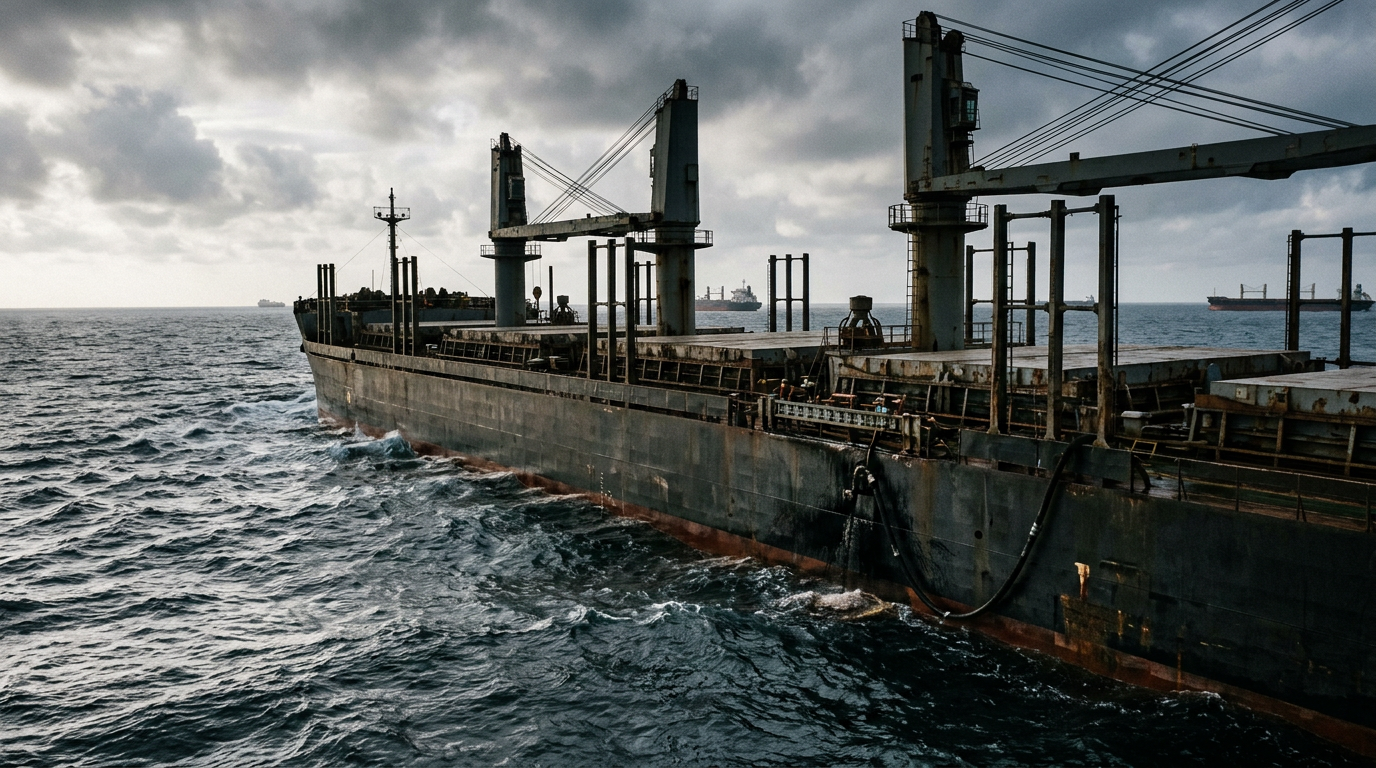
Commercial shipping operators are confronting a difficult operating environment characterized by the simultaneous emergence of elevated bunker fuel prices and worsening fuel quality across global supply channels. This convergence is placing notable strain on voyage economics while elevating operational risk for vessels across major trading routes.
Bunker fuel represents one of the single largest components of operating and voyage expenditures in maritime transport. Sustained high fuel pricing continues to inflate baseline transit costs, forcing fleet managers and charterers to closely monitor consumption profiles and fuel procurement outlays across bunkering hubs.
At the same time, the industry is dealing with the complications arising from compromised marine fuel quality. Lower fuel standards and off-specification blends introduce serious mechanical liabilities, ranging from fuel system clogging and filter blockages to severe engine wear and potential propulsion failure at sea.
These concurrent issues create a compounding effect for shipowners, where the high capital outlay required to procure bunkers is met with increased downstream technical risks and unplanned maintenance burdens. Consequently, fuel testing protocols, supplier scrutiny, and operational diligence remain critical priorities for maintaining fleet reliability amid ongoing market pressures.
Source attribution
No external source recorded for this article.
This article is an original editorial summary. It does not reproduce the source text. See our AI & content policy.
Related coverage
Regulation & Environment2h ago
American industry relies almost entirely on foreign sourcing as domestic manufacturing covers less than one percent of annual rare earth magnet demand.
4h ago
Alkagesta had traded into Singapore since 2020, mostly through cargo arbitrage. In 2025, the company turned that flow into a permanent presence, establishing Alkagesta Asia Pte Ltd as a regional hub for physical marine fuels.
5d ago· Elena Marchetti
The Baltic Exchange's composite freight gauge fell 1.8% to hit its lowest level since late August, weighed down by sharper losses in the Capesize segment.
5d ago
Taiwanese dry bulk owner U-Ming Marine Transport has expanded its newbuilding pipeline with an order for four 64,000 dwt bulkers at New Dayang.
5d ago
Alkagesta has expanded its regional marine fuel capabilities by completing its first truck-to-vessel supply operation at the Romanian port of Constanța.
8d ago