Smaller Ports Adopt Incremental Automation Strategies
Regional and smaller marine terminals are increasingly pursuing phased, modular technology upgrades to modernize operations without massive capital outlays.
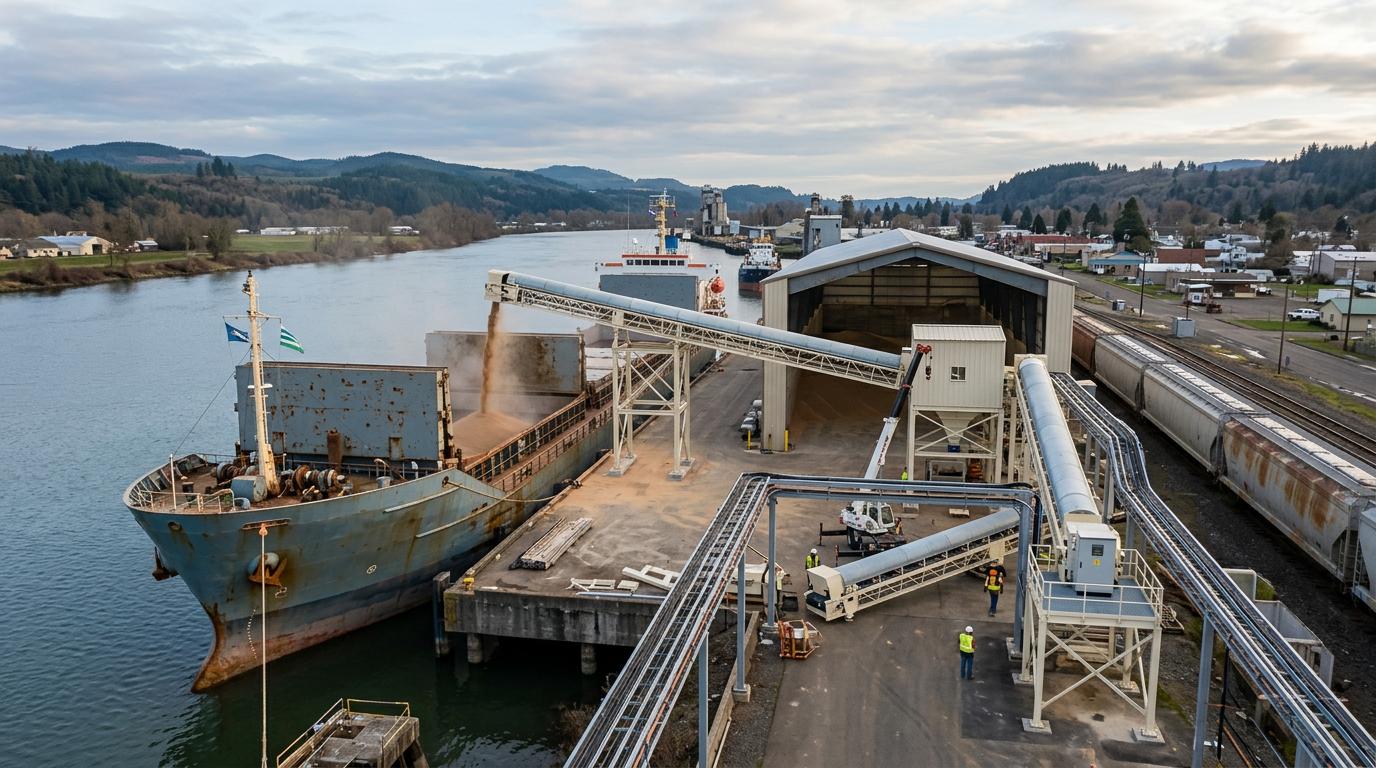
Terminal automation is shifting away from the perception that modern efficiency requires all-encompassing, capital-intensive overhauls. Smaller marine facilities, lacking the extensive capital expenditure budgets of major global hubs like Rotterdam, are demonstrating that effective modernization can be achieved through measured, targeted interventions.
Rather than undertaking full-scale terminal conversions that overhaul entire facilities simultaneously, smaller operators are opting for phased modernization. This incremental approach allows facilities to improve specific workflows while avoiding the immense financial commitments and prolonged operational downtime associated with large-scale automation projects.
A primary focus of this gradual strategy is resolving isolated operational bottlenecks. Terminal operators are concentrating on discrete projects, such as modernizing a single gate or introducing an individual digital management system to resolve a specific cargo handling or logistics challenge.
By addressing infrastructure needs system by system, secondary and smaller ports can upgrade operational capabilities sustainably. This manageable approach provides smaller terminal operators with a viable pathway to enhance overall throughput and terminal flow within their existing operational and budgetary constraints.
Source attribution
No external source recorded for this article.
This article is an original editorial summary. It does not reproduce the source text. See our AI & content policy.
Related coverage
Regulation & Environment2h ago
American industry relies almost entirely on foreign sourcing as domestic manufacturing covers less than one percent of annual rare earth magnet demand.
4h ago
Alkagesta had traded into Singapore since 2020, mostly through cargo arbitrage. In 2025, the company turned that flow into a permanent presence, establishing Alkagesta Asia Pte Ltd as a regional hub for physical marine fuels.
5d ago· Elena Marchetti
The Baltic Exchange's composite freight gauge fell 1.8% to hit its lowest level since late August, weighed down by sharper losses in the Capesize segment.
5d ago
Taiwanese dry bulk owner U-Ming Marine Transport has expanded its newbuilding pipeline with an order for four 64,000 dwt bulkers at New Dayang.
5d ago
Alkagesta has expanded its regional marine fuel capabilities by completing its first truck-to-vessel supply operation at the Romanian port of Constanța.
8d ago