
US and China Port Fees Disrupt Cargo Flows and Drive Up Rates
Bilateral port charges between the United States and China are introducing operational friction across maritime routes, disturbing cargo movements and elevating freight costs.
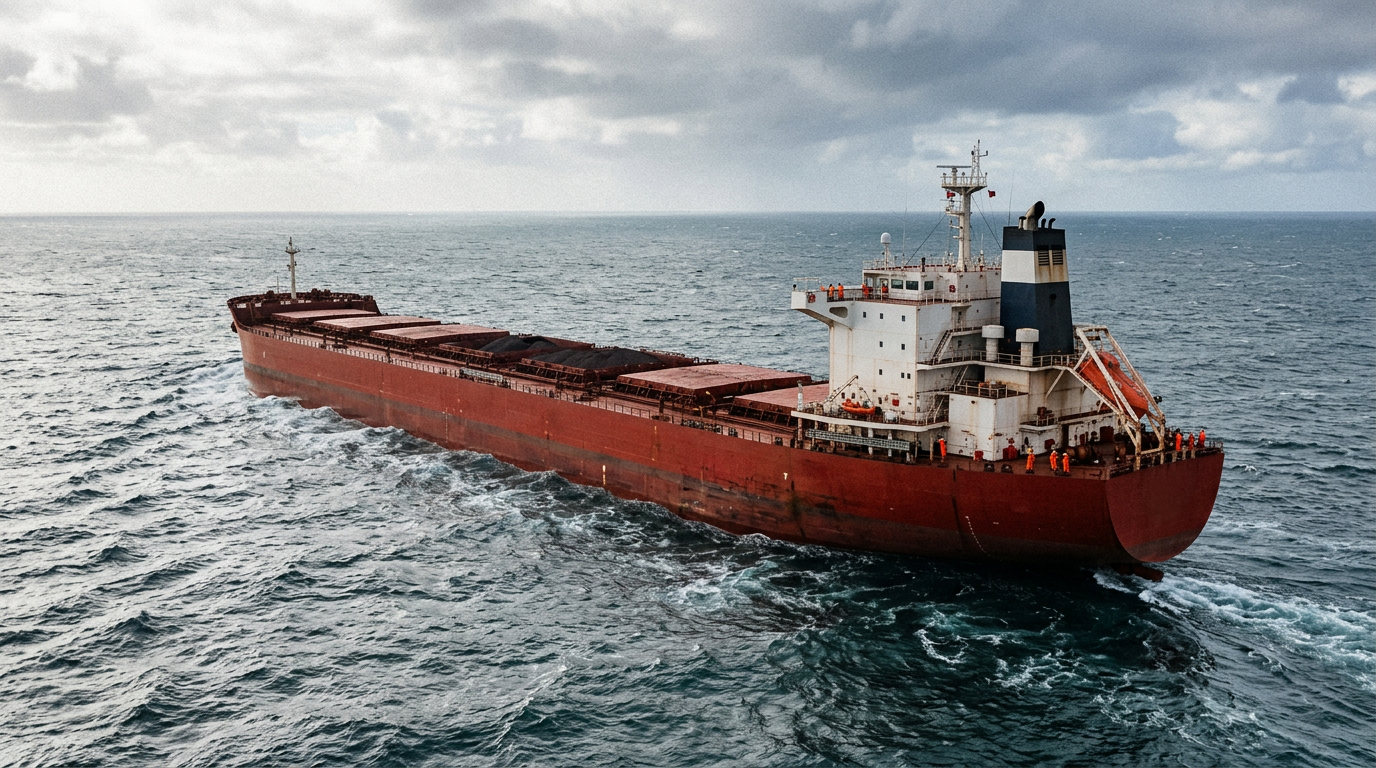
Recent implementations of port fees involving the United States and China are altering international maritime logistics, contributing to cargo flow disruptions and exerting upward pressure on freight rates.
The introduction of these charges has added a layer of complexity to established ocean routes connecting the two major trading partners. Market participants are dealing with altered cost dynamics at port facilities, leading to logistical shifts as vessel operators and charterers respond to the increased expense of terminal calls.
As terminal costs climb, the financial burden is increasingly being reflected in overall shipping rates. The added tariffs and handling levies are compounding operational expenditures for carriers, directly influencing rate structures across affected trade lanes.
The ongoing friction highlights the sensitivity of global shipping networks to regulatory and port-level financial adjustments. With cargo flows facing interruptions, supply chain stakeholders continue to monitor port operations closely for further impacts on vessel schedules and broader market pricing.
Source attribution
No external source recorded for this article.
This article is an original editorial summary. It does not reproduce the source text. See our AI & content policy.
Related coverage
Mediterranean Shipping Company has adjusted its Transpacific network by reallocating port calls between the Pearl and Sentosa loops.
44d ago
A late peak season rush has lifted transpacific container spot rates, with Drewry's World Container Index tracking notable gains to both US coasts.
44d ago