
US-Venezuela Oil Accords Pose Complications for Chinese Oil-Backed Lending
Billions of dollars in outstanding Venezuelan debt to Beijing face uncertainty as shifting trade arrangements alter the regional energy landscape.
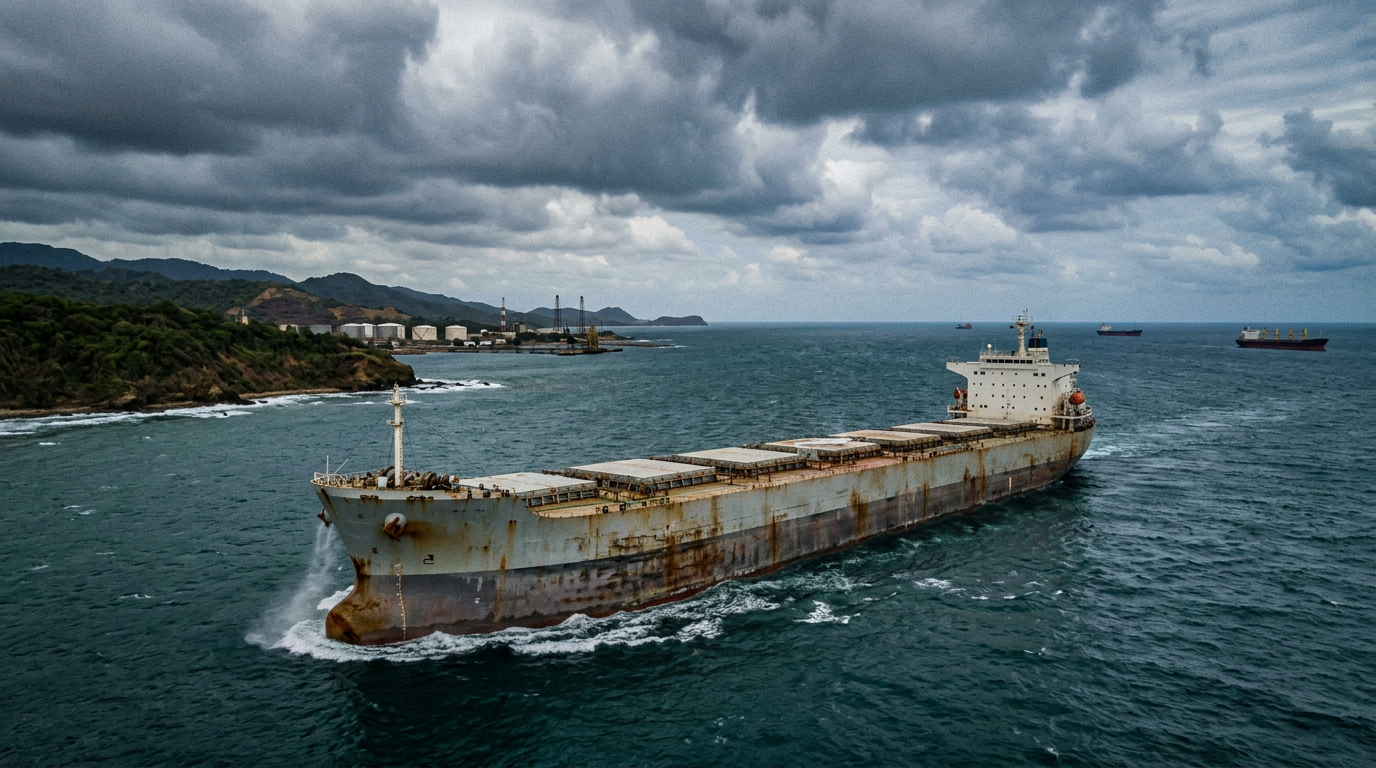
Venezuela has long stood as a vital economic partner for China in Latin America, ranking as the leading recipient of Chinese state financing in the region. Over several decades, Beijing funneled tens of billions of dollars to Caracas, establishing a framework where crude supplies served as direct repayment for the extended capital.
Between the inception of these arrangements and 2015, Chinese state-backed policy banks disbursed at least $60 billion through oil-backed credit facilities. Broader industry assessments indicate that cumulative Chinese commitments, incorporating diverse lending and direct capital investments, exceed $100 billion.
While extensive energy shipments have serviced a portion of these liabilities over time, market analysts calculate that Caracas remains heavily indebted to Chinese institutions. Current estimates place Venezuela's remaining debt to Chinese creditors at no less than $10 billion.
The emergence of a revised oil framework involving the United States and Venezuela now introduces structural hurdles for Beijing's debt retrieval. As commercial channels and export allocations pivot, the outlook for recovering the remaining oil-linked balances remains subject to growing operational and geopolitical friction.
Source attribution
No external source recorded for this article.
This article is an original editorial summary. It does not reproduce the source text. See our AI & content policy.
Related coverage
Carriers HMM and Ocean Network Express have adjusted their joint NW4/AX4 service rotation by replacing Guayaquil with Posorja.
35d ago
Domestic sentiment in Venezuela remains fractured following an energy agreement negotiated between the Trump administration and interim leadership.
40d ago
Italian major Eni has concluded an upstream agreement with Venezuela's state producer to reactivate the heavy crude asset in the Orinoco Belt.
43d ago
Danish shipping line Maersk will maintain its temporary inland fuel surcharge across Mexico at 2% through September.
44d ago
Industry analysts forecast Venezuelan crude production could expand significantly over the next five years as international energy firms scale up operations.
45d ago
A new memorandum of understanding covers strategic evaluations for the proposed Aura Sul Wind Project off the coast of Brazil.
45d ago