
West Asia Conflict Drives Vessel Deficit for Indian Auto Exports
A shortage of available shipping capacity linked to ongoing unrest in West Asia is creating bottlenecks for vehicle exports leaving Indian ports.
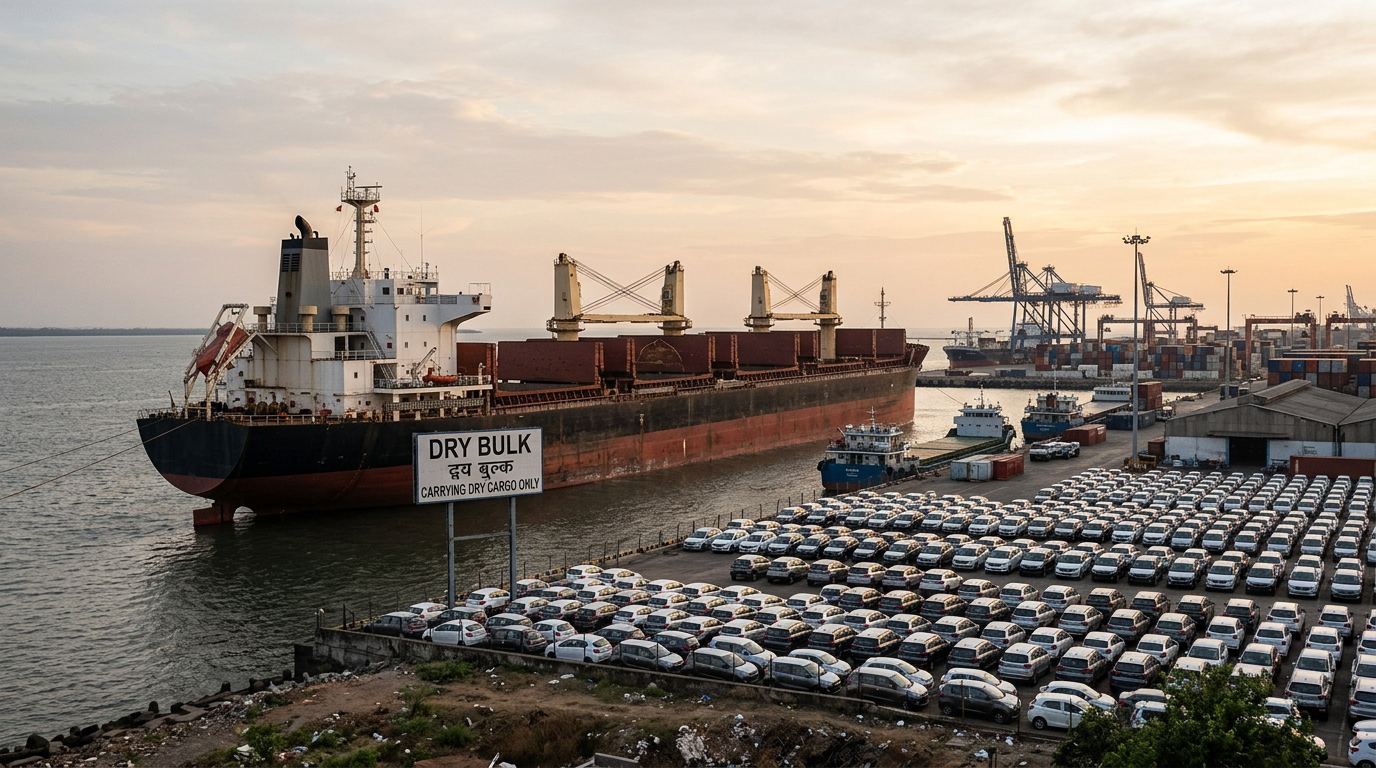
Ongoing geopolitical tensions in West Asia are causing significant ripple effects throughout regional shipping networks, leading to a shortage of commercial vessels available to move cargo out of Indian ports.
The resulting shortfall in transport capacity has directly disrupted outbound shipments of automobiles. Automotive manufacturers and logistics operators are facing difficulties securing enough vessel allocations to transport vehicles to overseas markets.
The logistical complications stemming from the West Asian conflict have affected maritime scheduling and vessel positioning across the wider region. As a consequence, fewer ships are calling at Indian ports to load finished vehicles, creating transport backlogs at coastal hubs.
Until vessel supply stabilizes and regional shipping corridors normalize, Indian vehicle export operations remain constrained by the limited availability of maritime transport capacity.
Source attribution
No external source recorded for this article.
This article is an original editorial summary. It does not reproduce the source text. See our AI & content policy.
Related coverage
Heavy congestion at Sri Lanka's primary maritime hub is compounding regional port disruptions and elevating cargo rollover risks for India-US freight.
15d ago
A week-long standoff between port management and landside logistics operators at India's Mundra Port has begun spreading disruptions to cargo owners and forwarders.
42d ago
The Indian Navy could decommission up to three Kilo-class submarines within the next five years as Russia proposes refurbished alternatives.
43d ago
Construction begins on the Danish-backed APM Terminals Laldia project in Bangladesh, targeting operational launch in 2030.
47d ago
Work is underway on APM Terminals Laldia in Chattogram following a formal groundbreaking ceremony for the $550 million public-private partnership venture.
47d ago