Hormuz Disruption Drives Clean Tanker Rerouting as Fleet Expands
Longer voyages and shuttle transfers are sustaining clean tanker demand amid Strait of Hormuz tensions, but incoming newbuilds pose market reset risks.
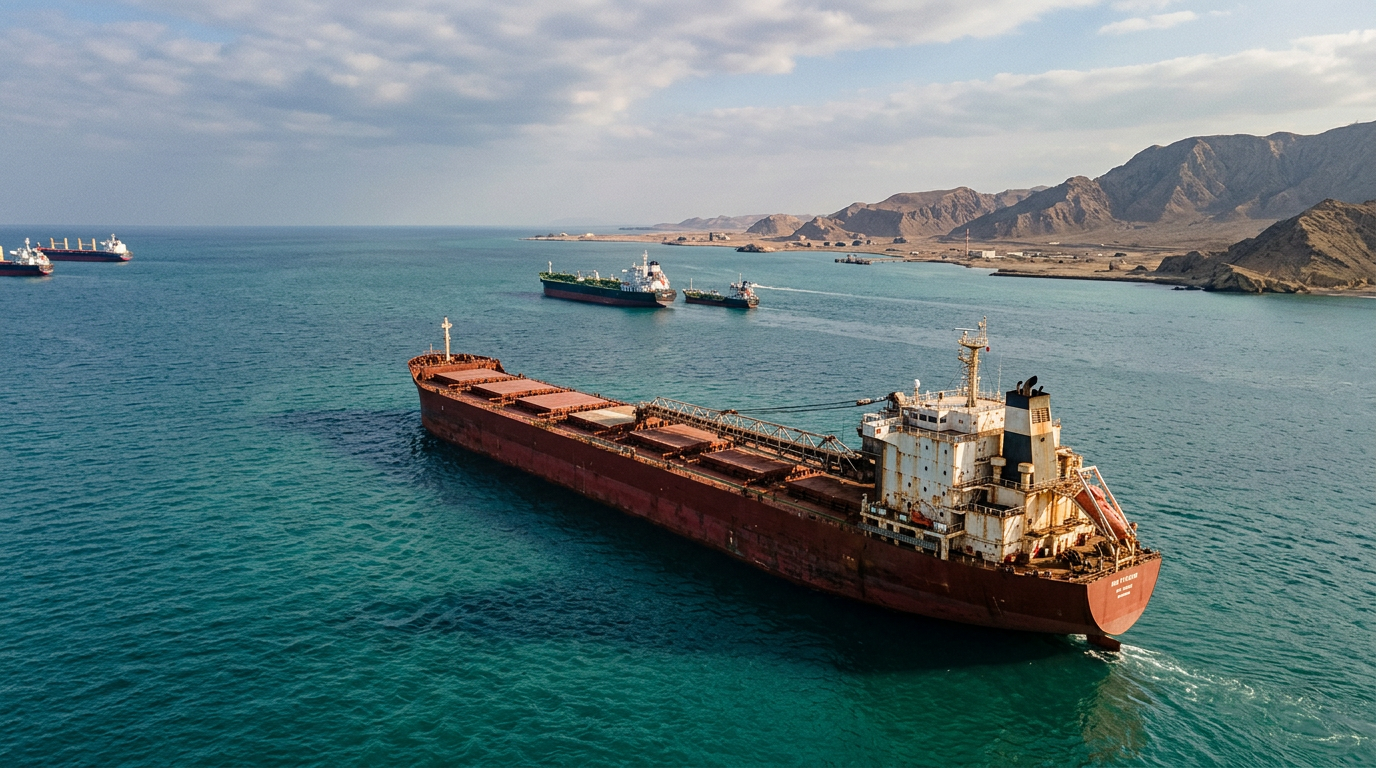
Escalating operational risks and persistent disruptions around the Strait of Hormuz have forced adjustments across clean tanker trading patterns, prompting widespread rerouting of refined product flows.
To navigate around regional bottlenecks and mitigate security threats, operators have turned increasingly to extended transit paths, shuttle operations, and ship-to-ship transfer mechanisms. These alternative arrangements have expanded substantially, demanding higher clean vessel capacity to move equivalent volumes.
Although the heightened operational complexity and lengthened ton-mile requirements are absorbing vessel supply in the immediate term, the broader fleet continues to grow. A steady pipeline of newbuild deliveries is scheduled to enter commercial service.
Industry analysts warn that this ongoing fleet expansion could pave the way for a structural market reset, particularly if trade routes normalize or ton-mile demand recedes from current levels.
Source attribution
No external source recorded for this article.
This article is an original editorial summary. It does not reproduce the source text. See our AI & content policy.
Related coverage
Italian engineering firm Saipem has divested its Saudi shallow-water drilling arm to ADES, transferring five premium rigs and nearly $1 billion in backlog.
30d ago
Oil producers and traders prepare for an extended period of conflict between the US and Iran alongside higher energy prices.
35d ago
Precautionary shutdowns follow drone and missile attacks in the kingdom's southern region as Brent crude nears $100 per barrel.
40d ago
Omani authorities have evacuated 16 seafarers from a Saudi oil tanker after an Iranian attack in the Strait of Hormuz that claimed the lives of two crew members.
40d ago
Heightened tensions in the Strait of Hormuz follow an announcement by Iranian forces regarding missile tests directed toward US naval assets.
40d ago
The liquefied natural gas carrier Al Marrouna has transited the Strait of Hormuz for the first time since July after lifting cargo in Qatar.
40d ago