
Pacific Demand Drives Capesize Freight Rate Rebound
Consistent miner participation and rising operator interest in the Pacific have bolstered Capesize freight levels following an early-week softening.
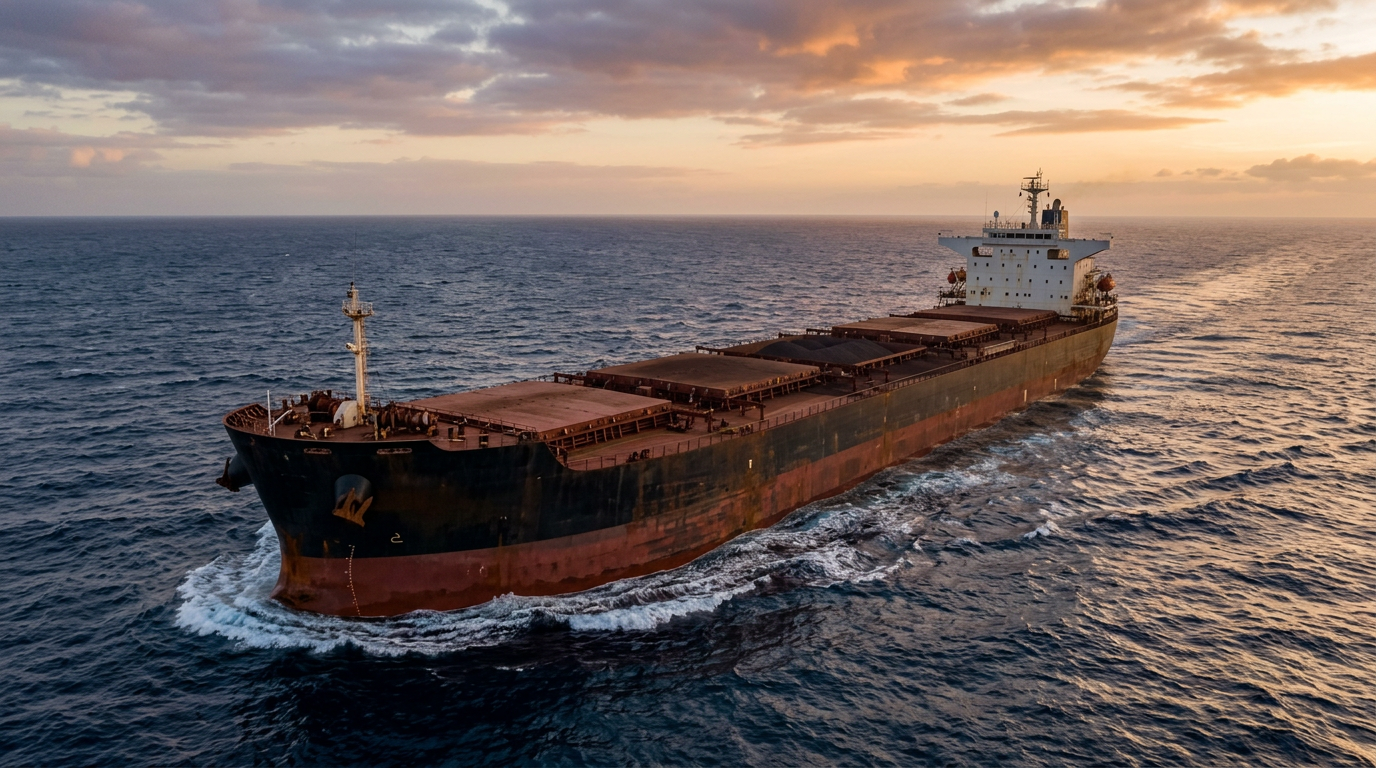
The Capesize dry bulk sector has shown notable resilience, with trading across the Pacific basin acting as the primary anchor for freight rates and market direction.
Activity across the region was underpinned by the steady presence of mining charterers, who maintained a regular flow of requirements throughout the week.
On the key C5 voyage route, rate levels initially lost ground, dropping from just below $14.00 per tonne into the low $13.00 range during the early part of the cycle.
That softer trend proved short-lived as expanding demand from freight operators provided fresh upward momentum, driving rate assessments back toward the mid-to-upper levels.
Source attribution
No external source recorded for this article.
This article is an original editorial summary. It does not reproduce the source text. See our AI & content policy.
Related coverage
The Baltic Exchange's composite freight gauge fell 1.8% to hit its lowest level since late August, weighed down by sharper losses in the Capesize segment.
5d ago
The Baltic Exchange's main freight gauge fell for a second straight session on Monday, weighed down by a sharp retreat in the capesize sector.
20d ago
Strong near-term Chinese iron ore demand could lose momentum after upcoming public holidays amid renewed scrutiny on domestic steel producers.
20d ago
South Korean carrier HMM has agreed to a multi-decade bulk shipping contract valued at $3.4 billion to haul iron ore for Brazilian miner Vale starting in 2030.
40d ago
The Baltic Exchange's main dry bulk index rebounded to 3,584 points on Tuesday, supported by gains across the capesize segment.
40d ago
South Korean carrier HMM has finalized a 25-year transport agreement with Brazilian mining major Vale deploying eight Newcastlemax newbuildings.
41d ago