
High-Tech Cargo and Regulatory Scrutiny Reshape International Freight Forwarding
As trade in advanced electronics and artificial intelligence infrastructure expands, logistics intermediaries face heightened oversight alongside traditional operational demands.
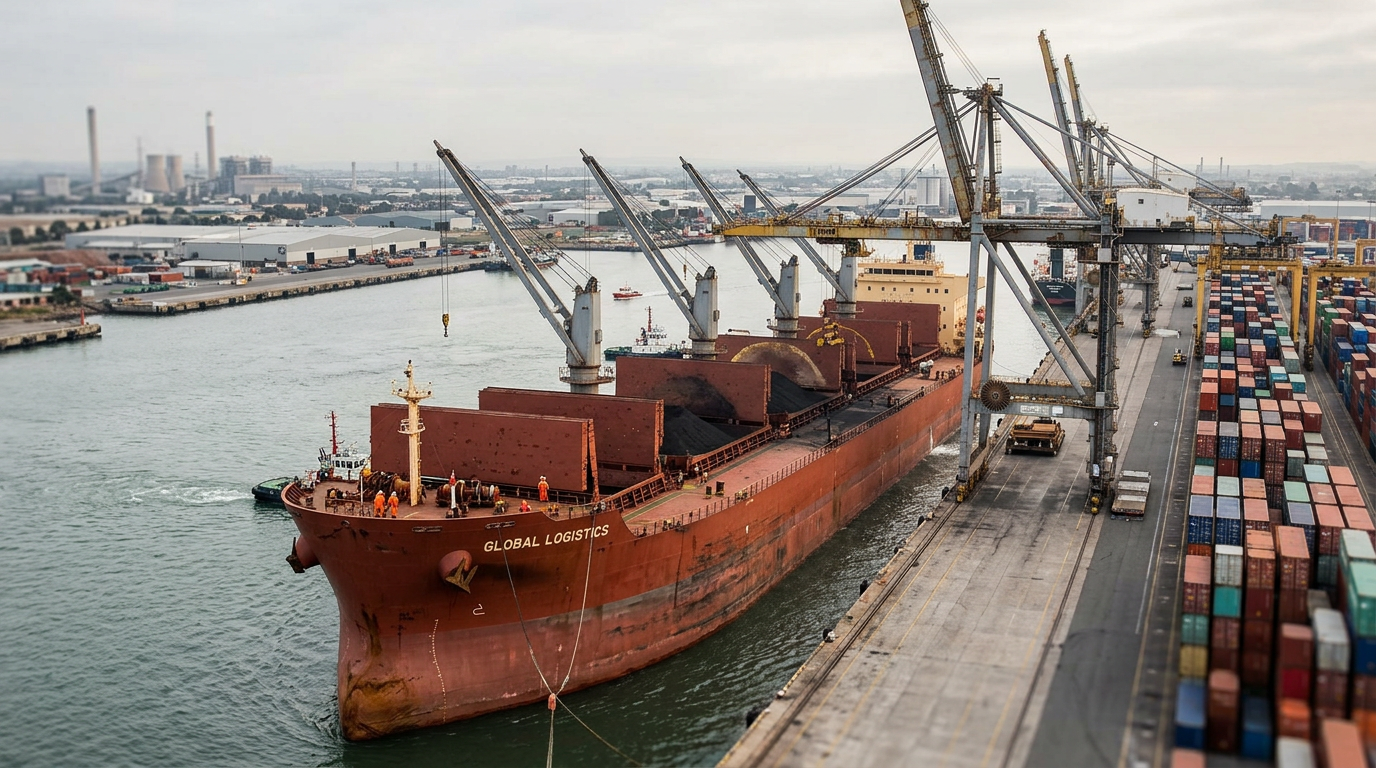
Freight forwarding operations are confronting structural adjustments as geopolitical scrutiny and national security priorities increasingly intersect with international supply chains. While commercial logistics providers have historically built their value propositions around competitive rates, vessel capacity, schedule reliability, transit times, and network reach, the rise of critical technology trade is altering conventional operational parameters.
The swift expansion of artificial intelligence, cloud computing infrastructure, and sophisticated electronics has elevated a highly specialized category of cargo. Shipments involving semiconductors, server infrastructure, and advanced electronic components now represent a crucial segment of global merchandise trade, requiring logistics operators to adapt to distinct handling and security requirements.
Government authorities and international regulatory bodies are applying greater oversight to these technological trade corridors. This heightened focus on sensitive equipment places commercial transport intermediaries at the center of regulatory enforcement, where oversight now extends deeply into routing, tracking, and customer verification.
These industry shifts indicate that commercial logistics can no longer rely solely on basic physical transit metrics. To maintain compliant operations amidst evolving trade controls, logistics operators are having to integrate enhanced regulatory compliance and national security considerations into their core service frameworks.
Source attribution
No external source recorded for this article.
This article is an original editorial summary. It does not reproduce the source text. See our AI & content policy.
Related coverage
The new Descartes Agent Control Plane aims to automate multi-party logistics workflows using artificial intelligence across global supply chain networks.
10d ago
Seventeen websites published the same story about a Kyiv businessman on one day in January, with matching headlines and identical formatting. The case is one of several drawing attention to a network of defamatory websites that publish and remove allegations for money.
13d ago· Elena Marchetti
Marine fuel markets face sustained turbulence as geopolitical instability and supply constraints offset softening global demand expectations.
17d ago
Beijing confirms President Xi Jinping will travel to the United States to meet Donald Trump, marking his first U.S. visit in nearly three years.
27d ago
A cluster of offshore-registered domains republishes the same unsourced allegations word-for-word across dozens of mirror outlets, engineered so that every takedown is answered by another copy within the hour.
Regulation & Environment28d ago· Tom Callaghan
American Bureau of Shipping grants approval in principle for a multi-purpose fuel tank and supply architecture enabling gas carriers to convert to ammonia without hardware replacement.
29d ago